what are ECOSYSTEMS?
An ecosystem is a community of living organisms, including plants and animals, who interact with each other and their non-living environment in a specific geographic area. The ocean is the largest ecosystem, which is 361 Million km2. The Grampians National Park is only a small part of that - being only 1,672 km².
the GRAMPIANS
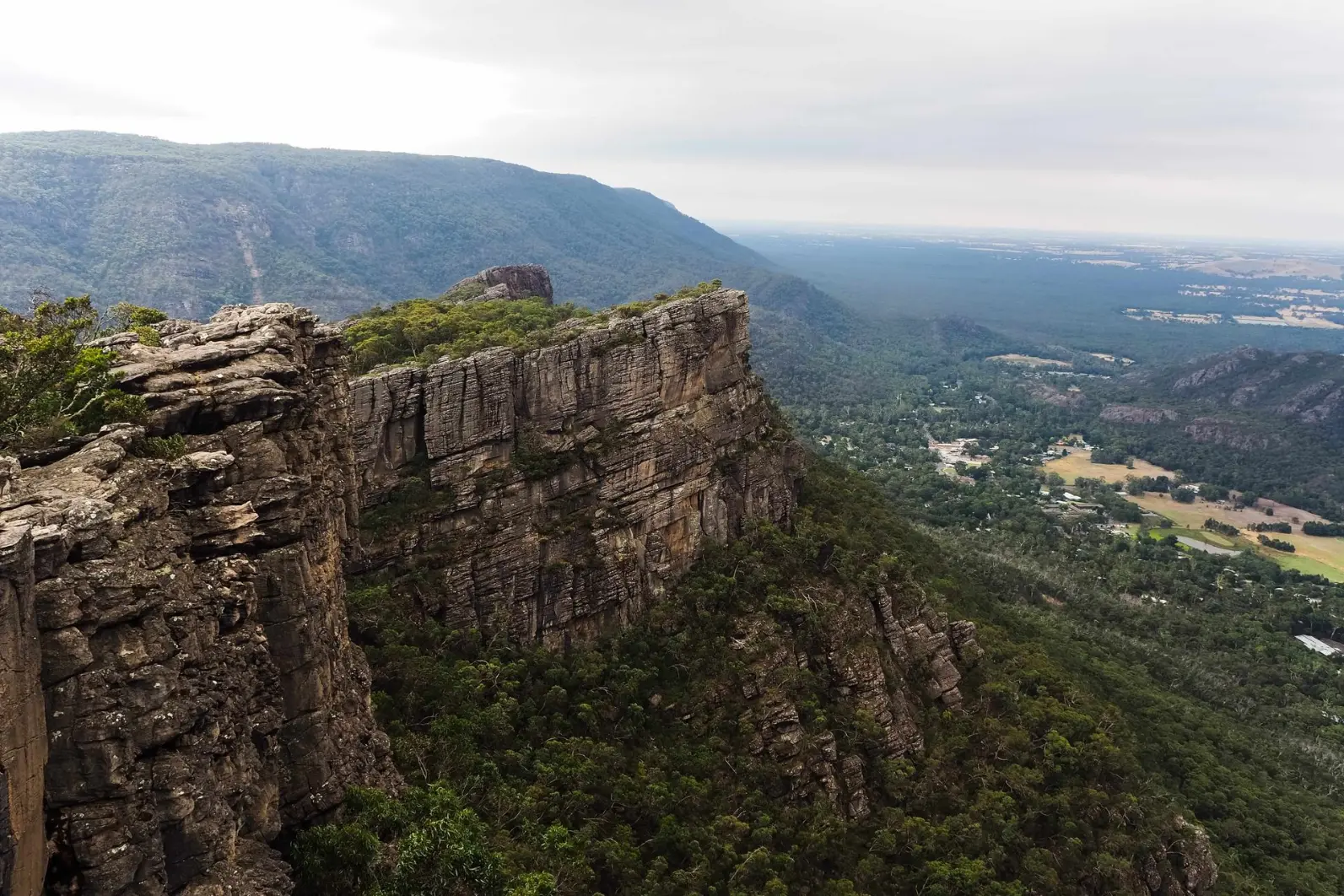
Above displays a drone shot from the Grampians National Park.
ABIOTIC and BIOTIC FACTORS
Some examples of abiotic factors in the Grampians Park include:
-Air
-Clouds
-Precipitation (rain)
-Sunlight
-Temperature
As well as many more. But the Grampians also include some very interesting and unique abiotic factors, for example they have the Cuesta landforms; Layers of sandstone that were folded and tilted by tectonic forces. Or the presence of ancient, deep-seated granitic intrusions; Molten granite intruded into the sandstones many hundreds of millions of years ago.
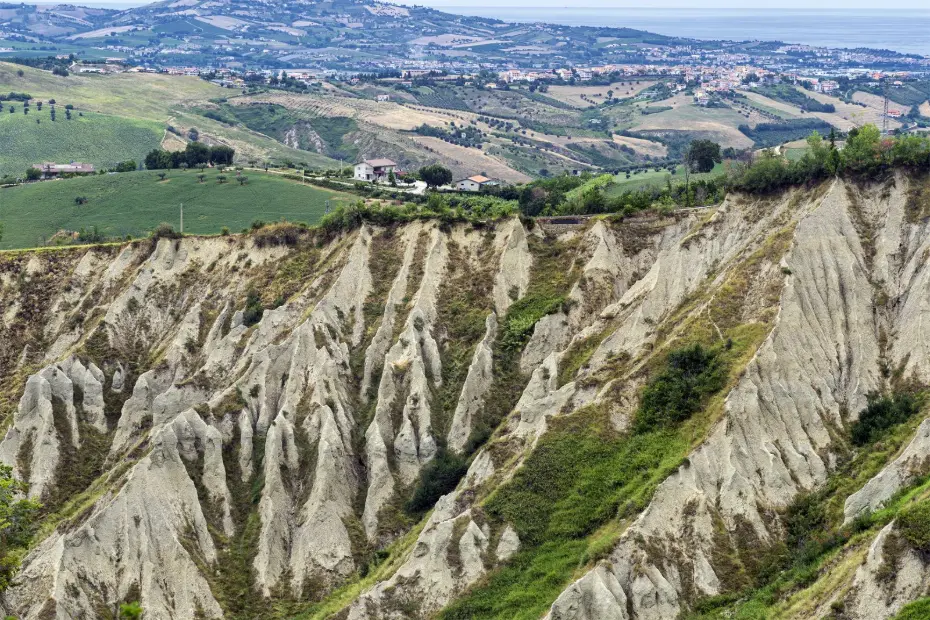
Above displays Cuesta Landforms, similar to ones in the Grampians.
Source: https://www.britannica.com/science/cuesta
BIOTIC FACTORS:
Some biotic factors in the Grampians include many plants such as the Parrot Pea, Blue Tinsel-Lily, Grampians Thryptomeme, and many thousands more that only grow in and are unique to the Grampians.
Furthermore, some animals include kangaroos, wallabies, emus, koalas, echidnas, cockatoos, kookabarras, possums, and more. Some animals indigenous to only the Grampians include the Smoky Mouse and Health Mouse, as well as a critical habitat for the endangered Brush-tailed Rock-wallaby and the Gang-gang Cockatoo.